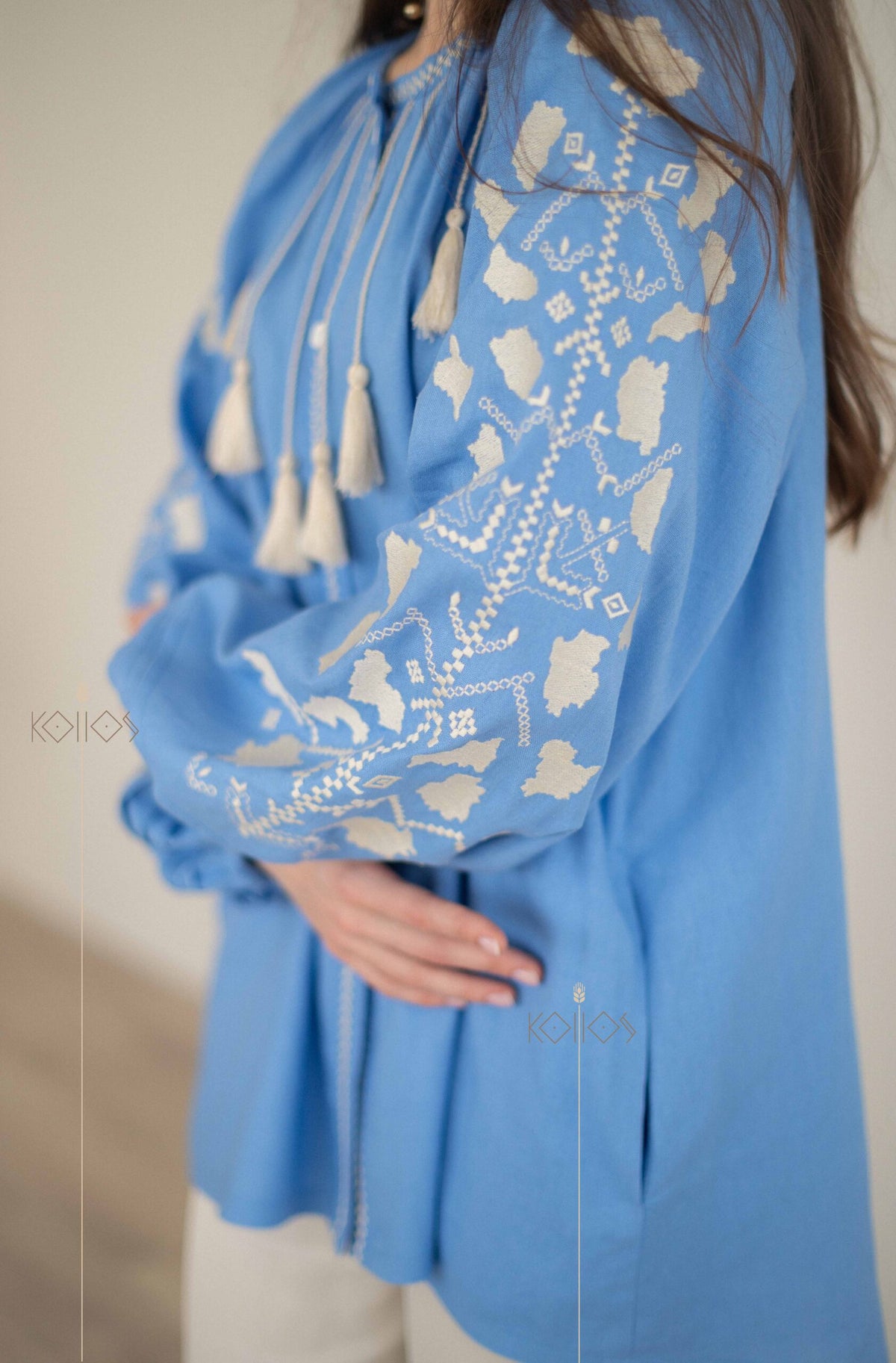
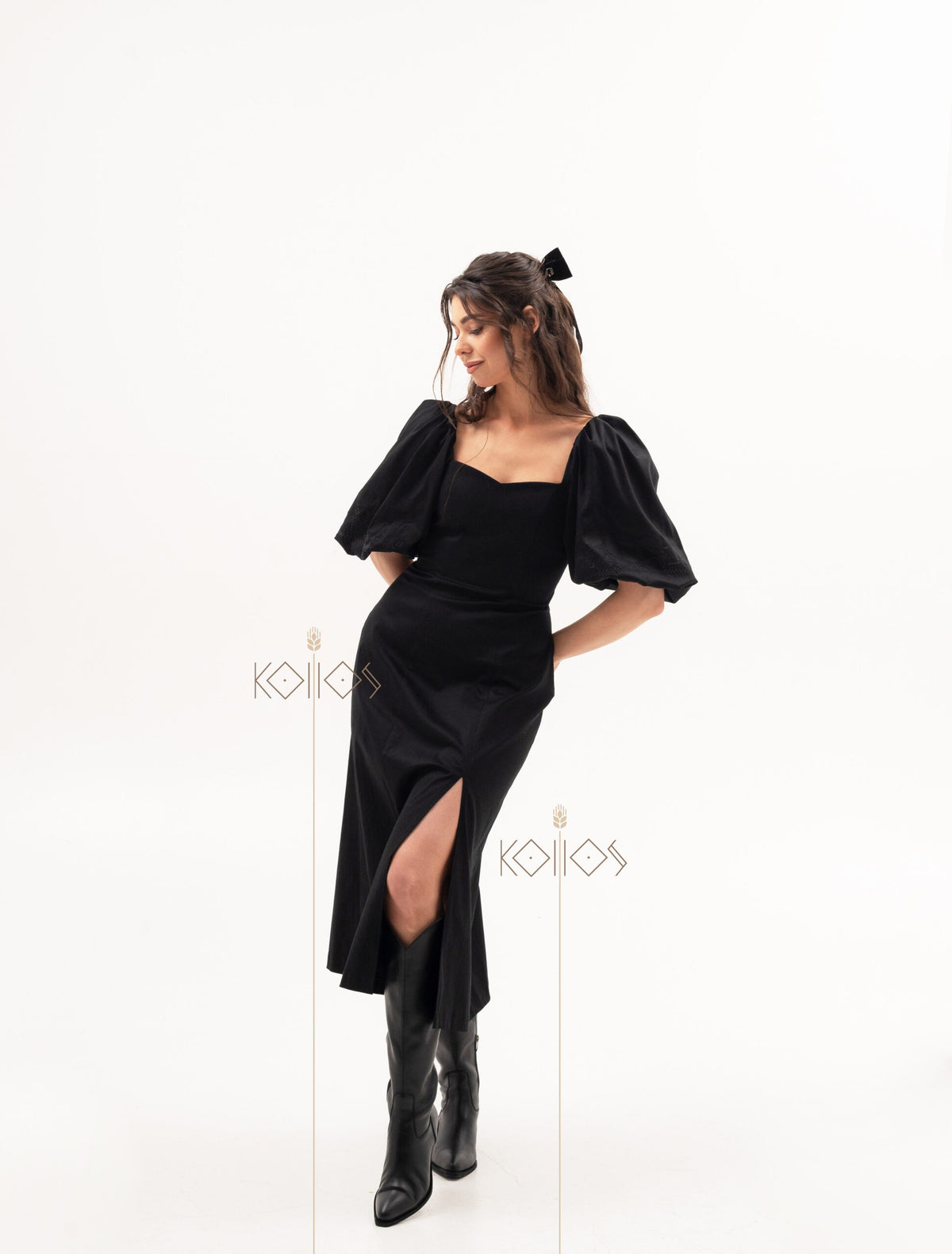
Women's vyshyvankas: modern and traditional designs
The women's vyshyvanka has long transcended the realm of festive attire. Today, it serves as a blouse for an office suit, a linen dress for summer, or a loose-fitting shirt to pair with jeans. In its modern interpretation, a women's vyshyvanka is an item worn not just once a year, but weekly. This section features all women's models: vyshyvankas, blouses, dresses, vests, outerwear, tops, trousers, skirts, and accessories to complete the look.
Types of women's vyshyvankas
Classic straight-cut shirt
A versatile basic. Embroidery is located on the sleeves, collar, and cuffs, with a loose fit. These women's vyshyvankas suit any figure and can be worn untucked or tucked in.
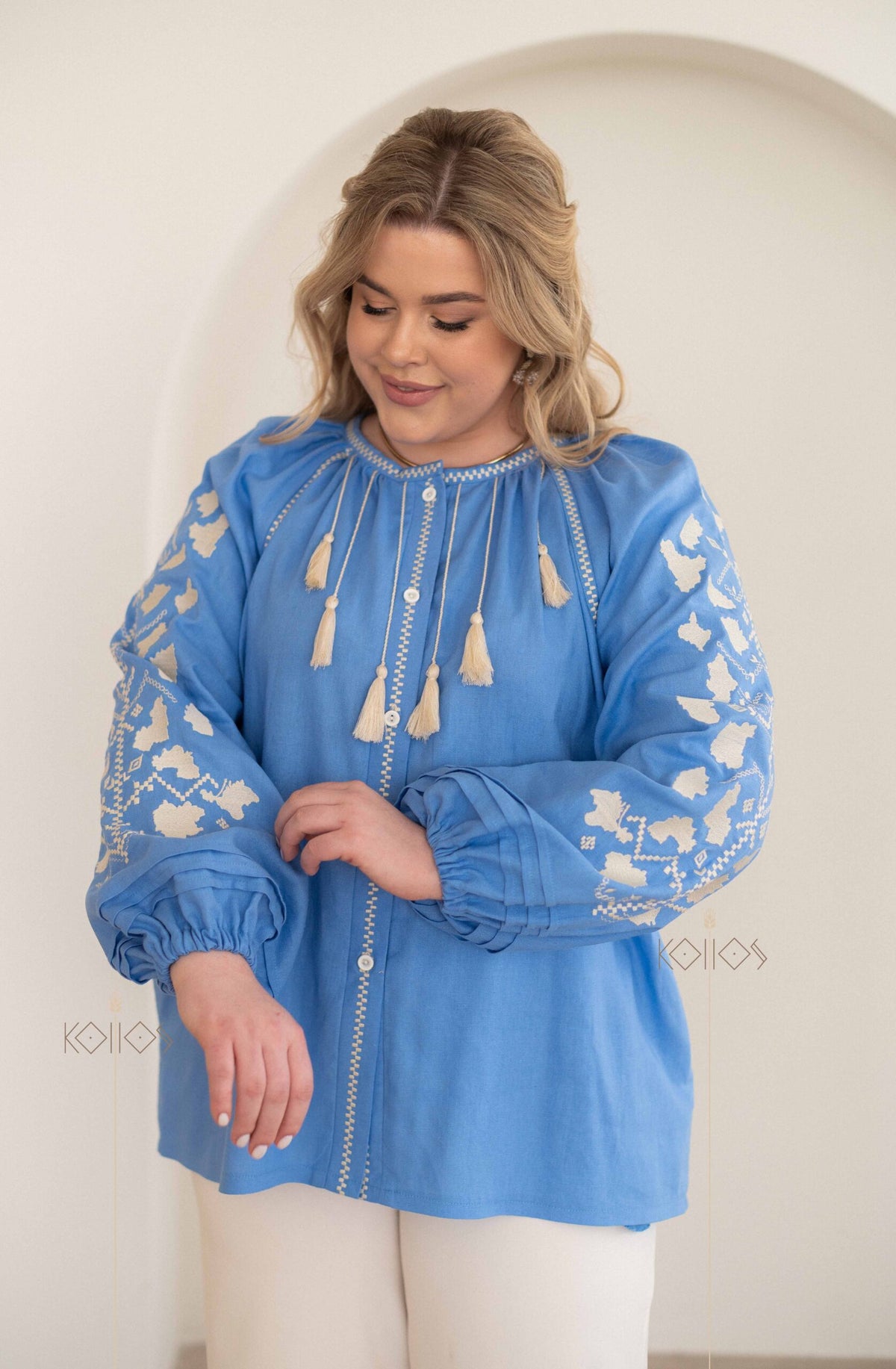
Embroidered blouse
Lighter, shorter, often made from thinner fabric—batiste or fine linen. Comfortable for daily wear and the office.
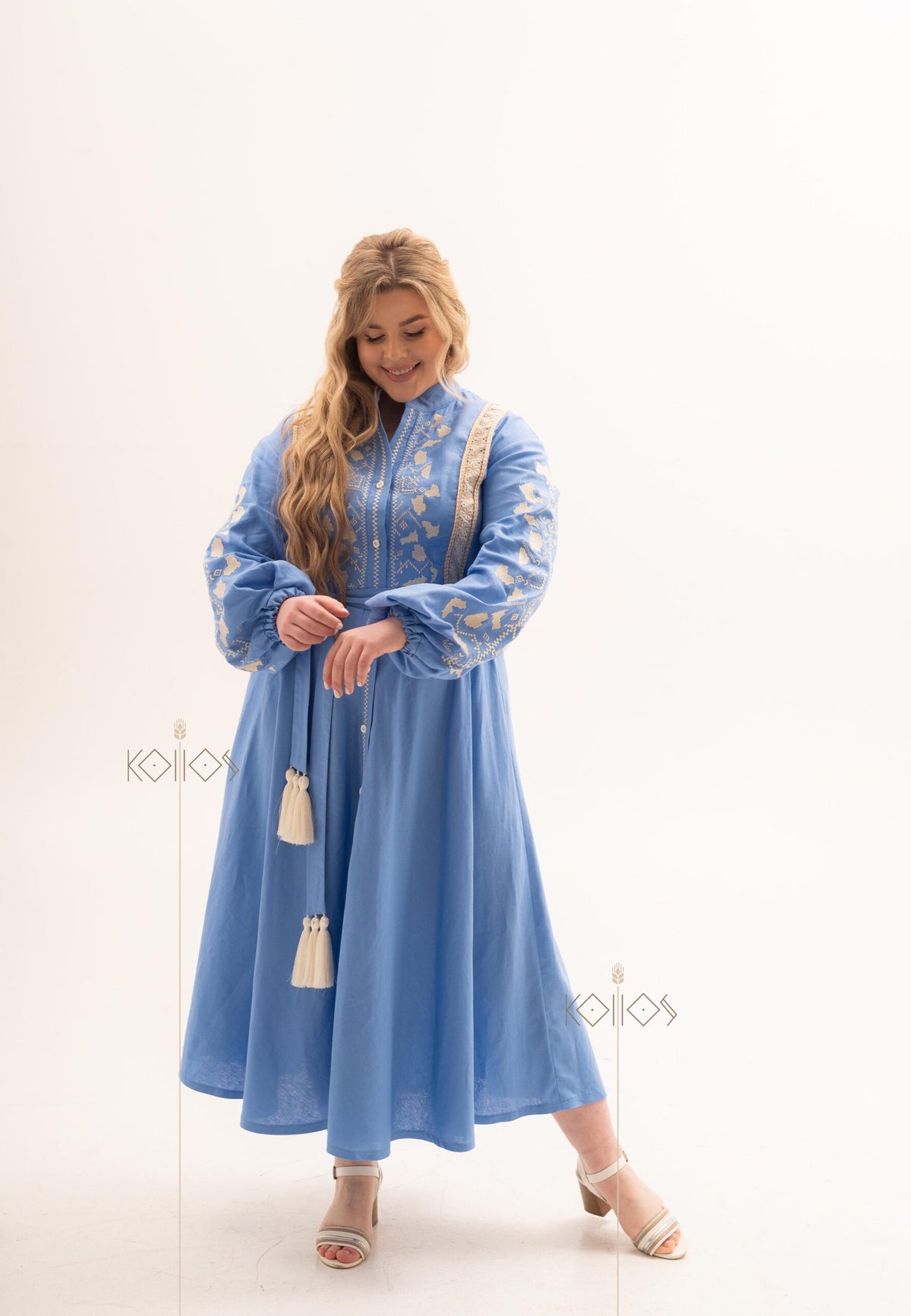
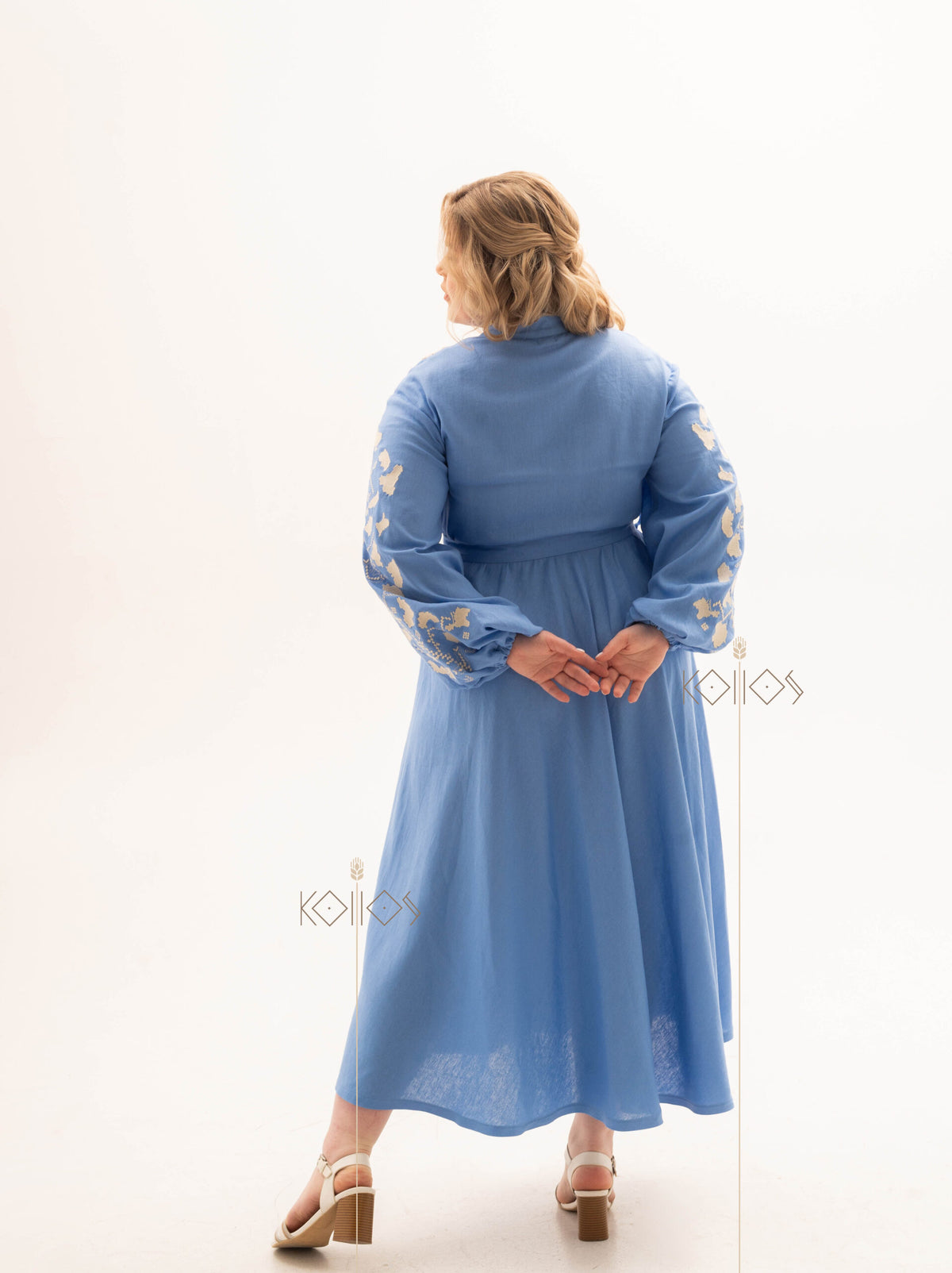
Vyshyvanka dress
A complete outfit in one piece. Lengths range from mini to maxi, with cuts from straight to fitted with a belt.
Vyshyvanka with a corset
A modern combination where a traditional shirt is complemented by a corset or a corset belt. Creates a striking silhouette without complex accessories.
How to choose a women's vyshyvanka for your body type
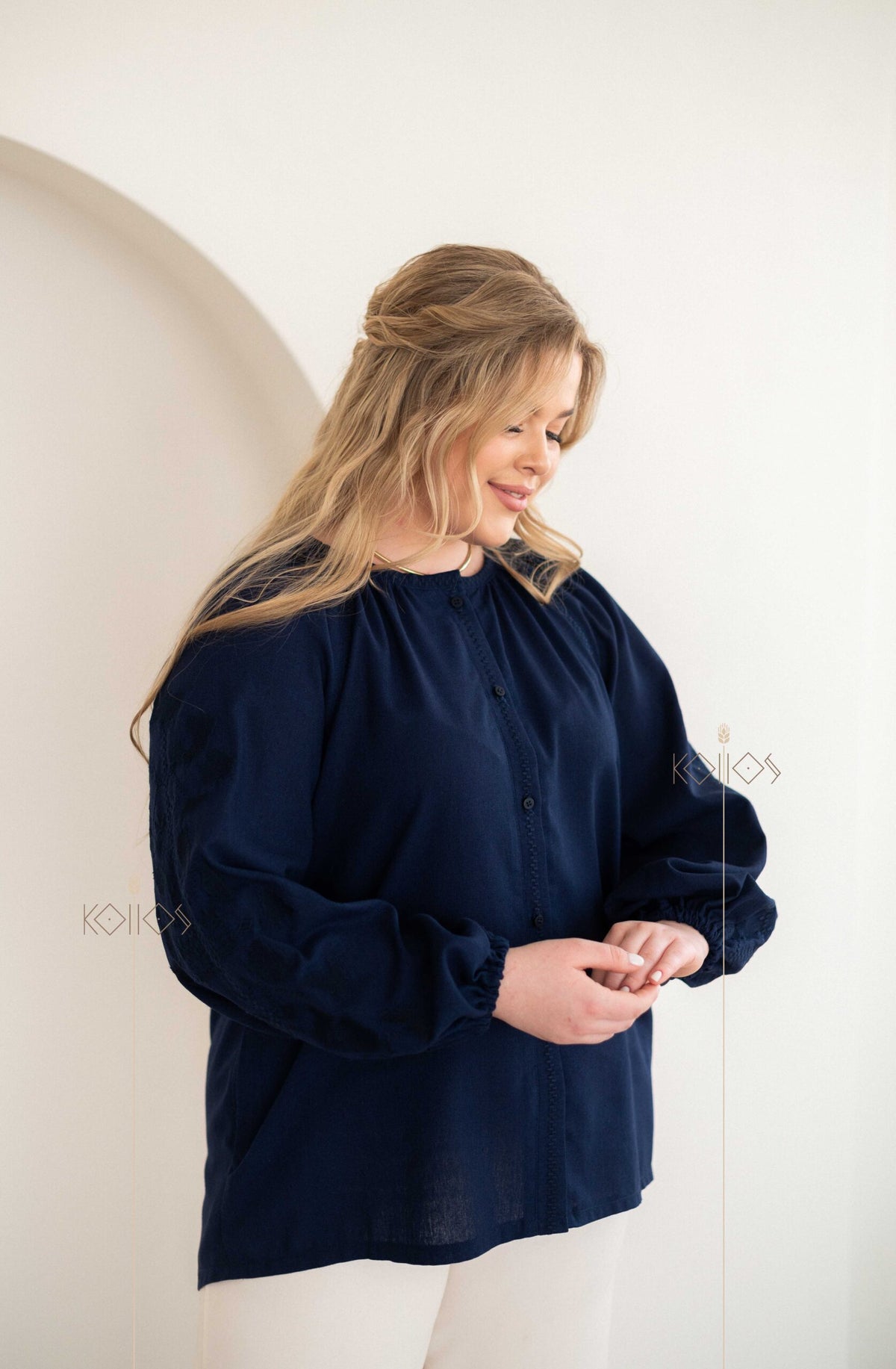
A straight cut with embroidery on the shoulders and sleeves works for almost everyone—it doesn't emphasize the waist but creates an accent at the top. Fitted models and dresses with a belt are suitable if you want to highlight your waist. For plus sizes, vertical ornamental stripes on the sleeves, a loose shoulder line, and a length slightly below the hip work best—such plus-size women's vyshyvankas visually elongate the silhouette.
If you are between sizes, choose a smaller size for straight-cut shirts and a larger size for fitted models.
Colors and regional ornaments
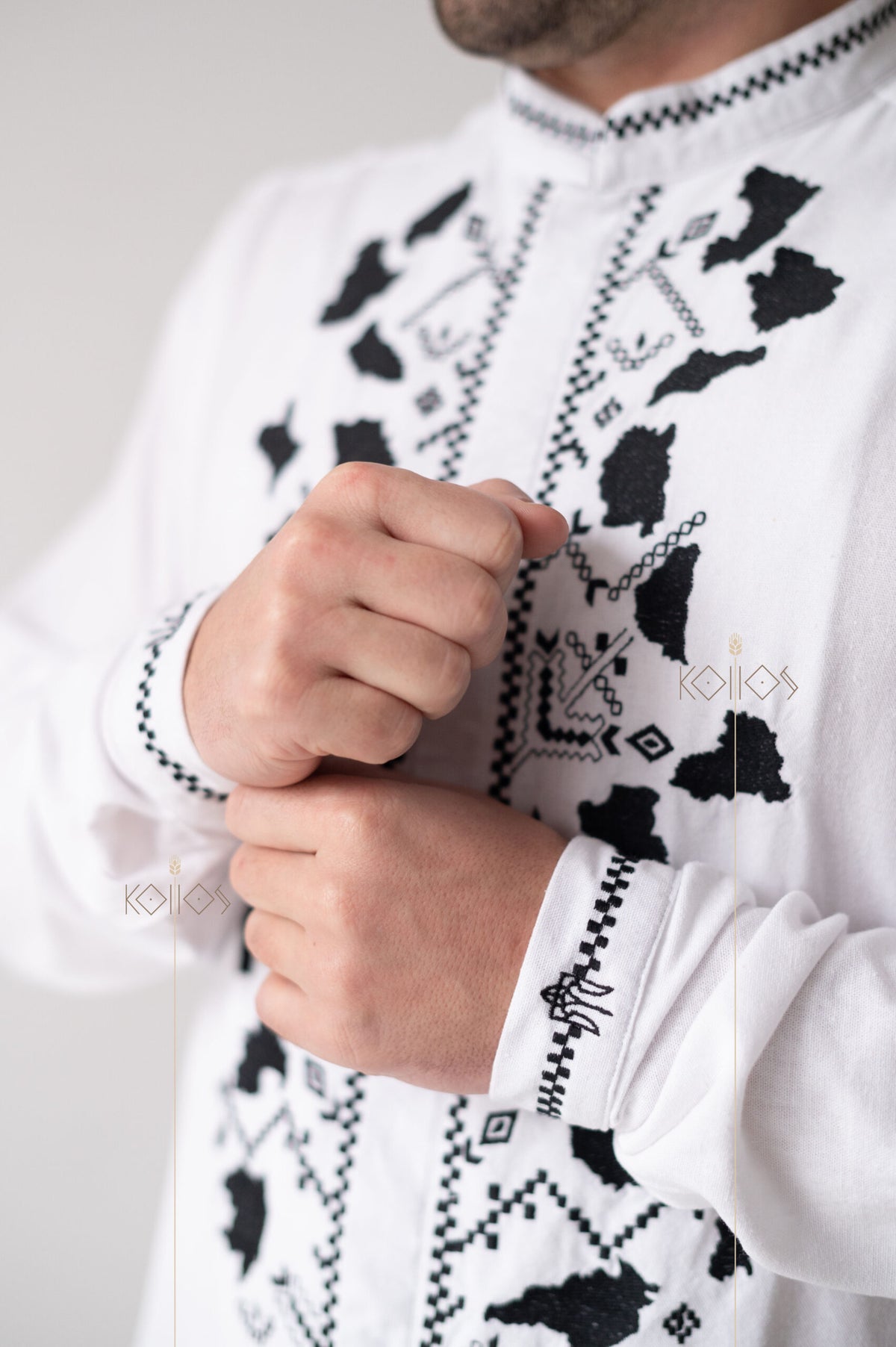
Red and black embroidery is the most classic option, suiting a neutral wardrobe. White on white (Poltava tradition) looks restrained and elegant, working well for office and wedding attire. The dense black embroidery of Borshchiv region is the most expressive choice, requiring no additional accents. Multicolored Hutsul ornaments are festive by nature: they should be worn with solid-colored bottoms.
Fabrics: what to choose for which season
Linen is the primary fabric for warm weather. It breathes, doesn't stick to the body, and holds dense embroidery well. Batiste and fine cotton offer lightness and semi-transparency—suitable for summer blouses. Homespun fabric and semi-linen are denser, making them appropriate for demi-season and festive models. In winter, a vyshyvanka is worn as a layer under a vest, jacket, or cardigan.
What to wear with a women's vyshyvanka
The simplest and most reliable combinations:
- vyshyvanka shirt + straight jeans + leather loafers — everyday look;
- embroidered blouse + solid midi skirt + minimal jewelry — office;
- vyshyvanka dress + woven belt + sandals — summer celebration;
- vyshyvanka + vest or kepter (sheepskin vest) — cold-weather outfit.
The main rule: one ornament per outfit. Embroidery is already an accent, so the rest of the items should be calm in color and texture.
Care to make your modern vyshyvanka last for years
Wash at temperatures up to 30 °C, choosing a delicate cycle and bleach-free detergents. Do not soak colored items for too long—dense thread may bleed color. Dry flat, avoiding direct sunlight, which can fade the ornament. Iron from the inside out or through a thin cotton cloth: this preserves the embroidery's relief. Hand-embroidered items are best hand-washed and stored folded, not on hangers, to prevent fabric stretching.
For what occasions are women's vyshyvankas chosen
For everyday wear—light blouses and shirts with minimal embroidery. For work—restrained models in white, milky, grey, or dark blue. For celebrations and Vyshyvanka Day—rich ornaments and dresses. For weddings—white and milky dresses with delicate embroidery, often paired with the groom's shirt. For a gift—versatile loose-fitting blouses, where it's easier not to make a mistake with the size.